
Crypto Card vs Crypto Wallet Security: What’s the Difference?
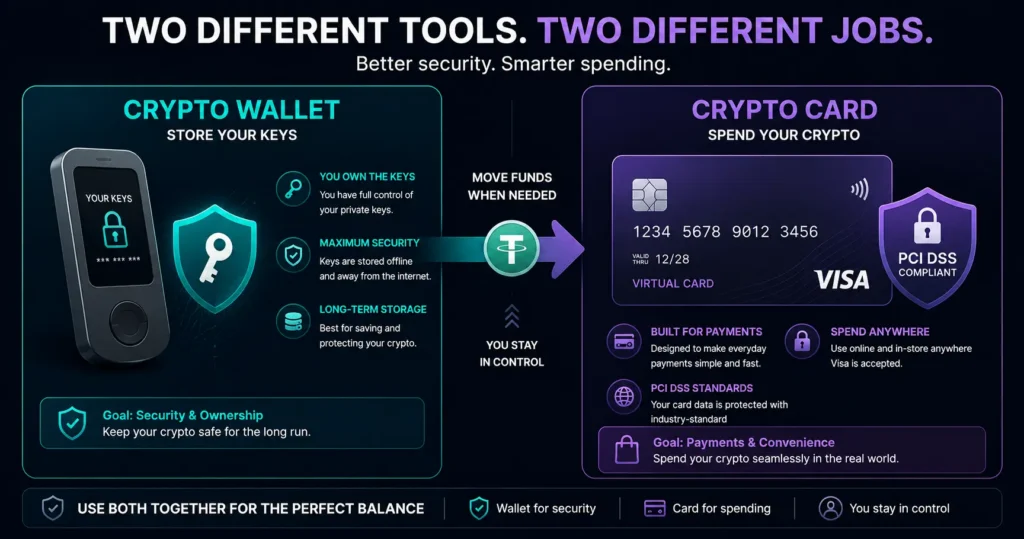
Quick answer: A crypto wallet and a crypto card solve fundamentally different security problems and are not competing tools — they are complementary. A crypto wallet (hardware or software) secures your private keys and protects cryptocurrency you are holding long-term. A crypto card (like Rivocard) converts crypto to a spendable fiat balance and protects that […]
How to Freeze or Lock a Crypto Card
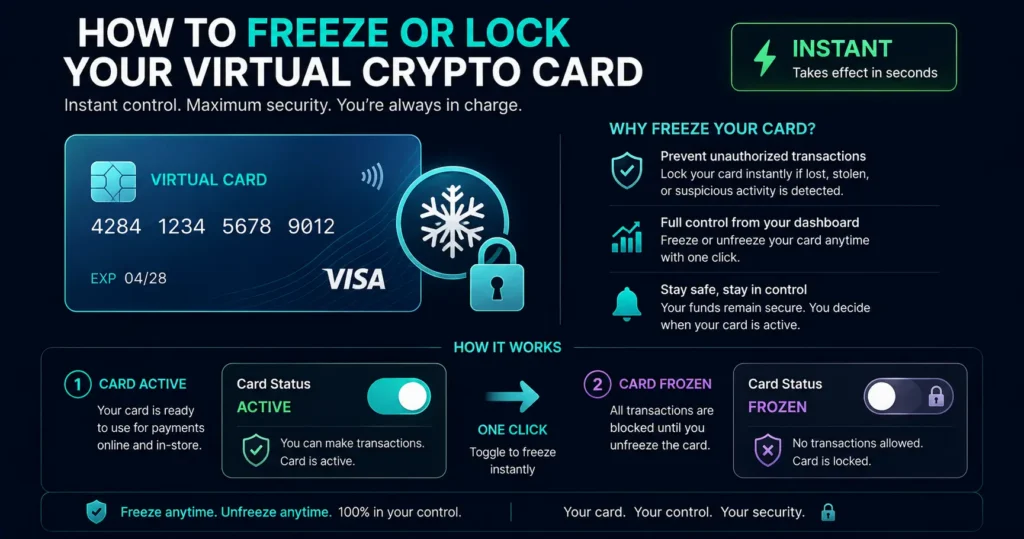
Quick answer: To freeze a virtual crypto card on Rivocard, log into your dashboard, navigate to the card you want to freeze, and toggle the freeze or lock option. The card is frozen instantly — all new purchase attempts are declined from that moment. Freezing is reversible: your card number, balance, and linked subscriptions are […]
Is KYC Required for Virtual Crypto Cards?
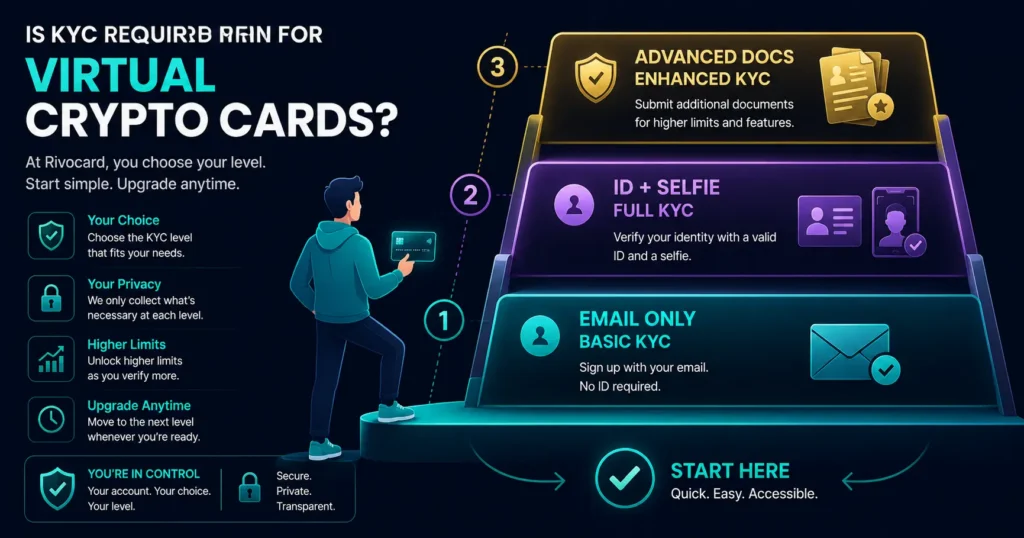
Quick answer: KYC (Know Your Customer) is not always required to start using a virtual crypto card — but it depends on the platform and the spending tier you need. On Rivocard, you can create an account, deposit crypto, and use a virtual Visa card with only email verification — no government ID, no selfie, […]
Crypto Card Fraud Protection: 12 Tips to Stay Safe
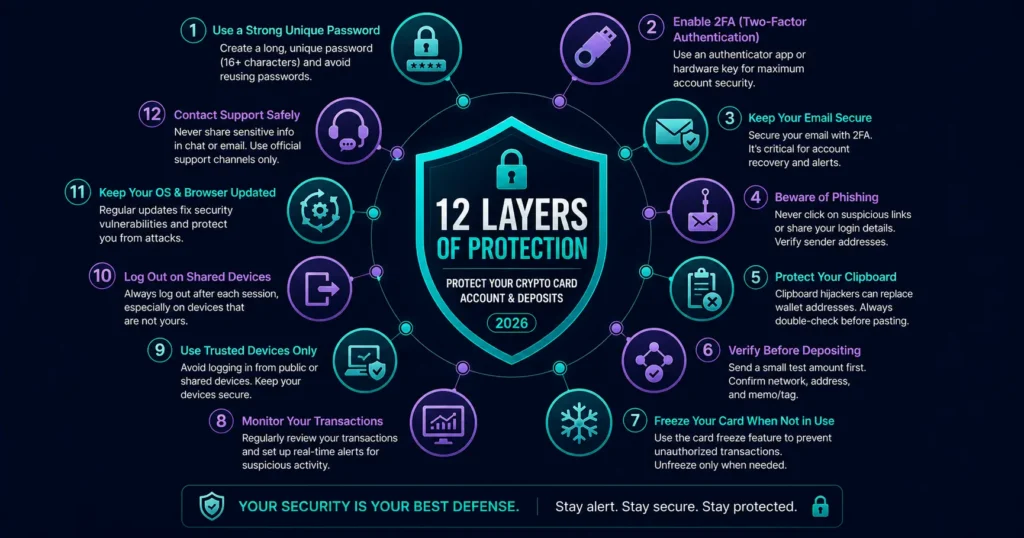
Quick answer: Crypto card fraud protection in 2026 requires defending two distinct attack surfaces: your card account (username, password, 2FA, and session security) and your crypto deposits (wallet address verification, network matching, and clipboard hijacker defense). The most common attacks are not technical exploits against the platform — they target you directly through phishing, SIM […]
PCI DSS Compliance on Crypto Cards Explained
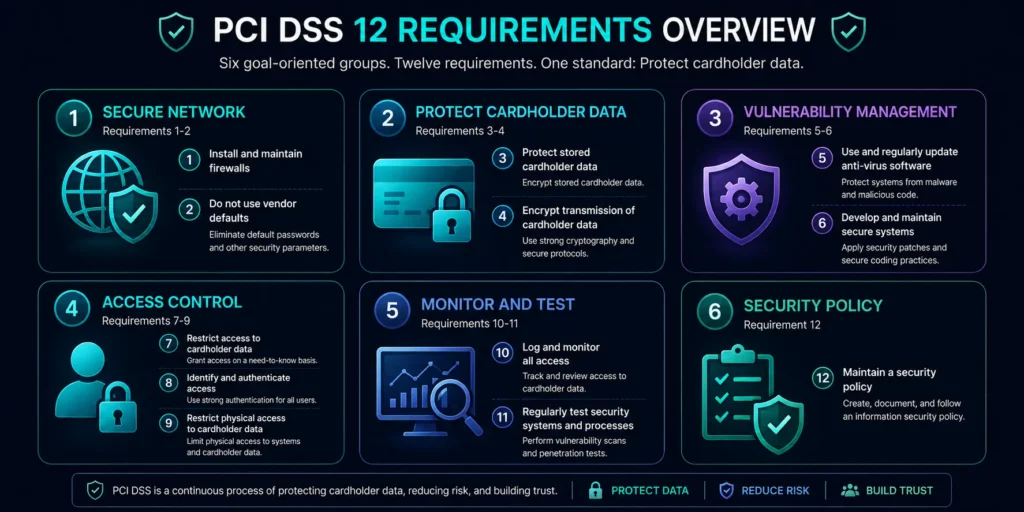
Quick answer: PCI DSS — the Payment Card Industry Data Security Standard — is the global security framework that every organization handling Visa or Mastercard data must follow. On a crypto card like Rivocard, PCI DSS compliance means your card number is stored encrypted (never in plain text), your CVV is never stored at all […]
256-Bit Encryption and Crypto Card Security Explained
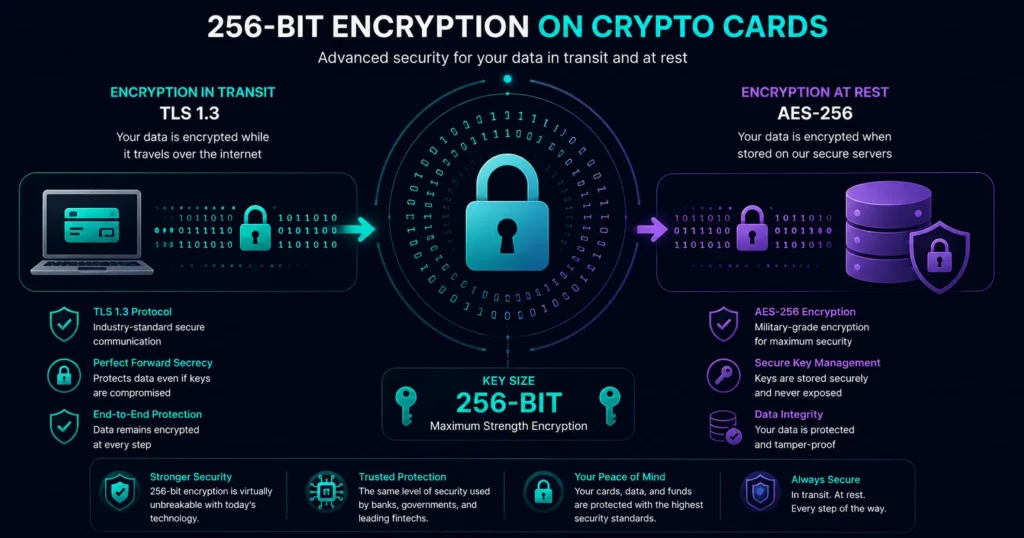
Quick answer: 256-bit encryption — specifically AES-256 — is the global standard for securing sensitive data at rest and in transit. On a crypto card platform like Rivocard, it means your card details, personal information, and transaction data are encrypted with a key so large that brute-force decryption is computationally impossible with any existing or […]
How Rivocard Protects Your Data
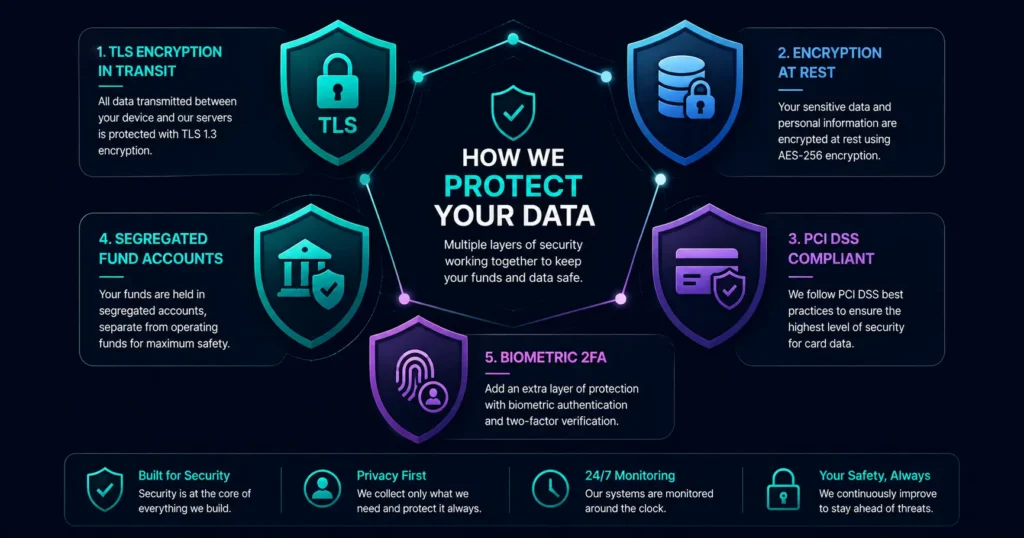
Quick answer: Rivocard protects user data through five interconnected layers: end-to-end encryption (all data encrypted in transit using TLS and at rest in storage), PCI DSS-compliant payment infrastructure, user funds held in segregated top-tier banking accounts, two-factor authentication via hardware keys, FaceID, and TouchID, and compliance with applicable data protection regulations including GDPR for EU […]
Crypto Card KYC Requirements Explained
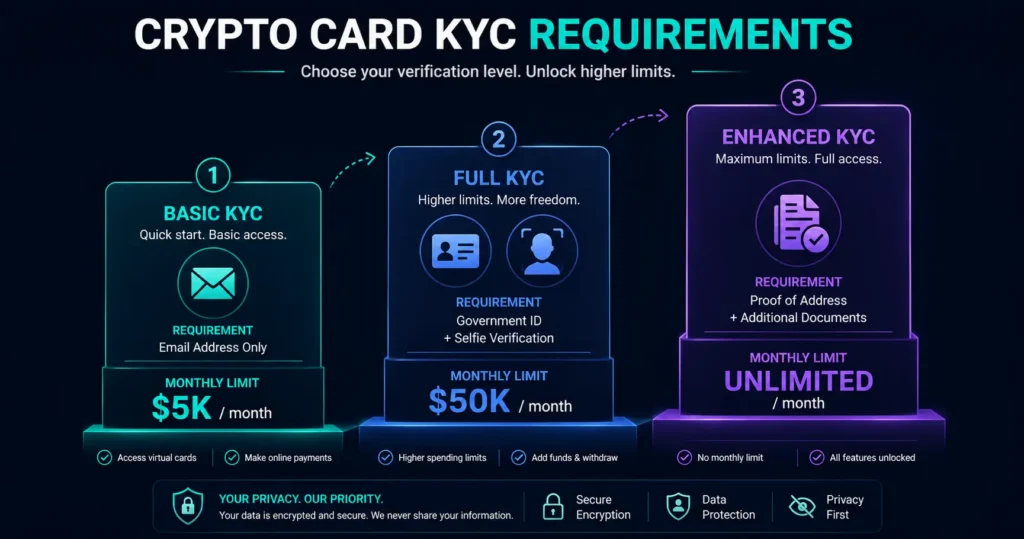
Quick answer: KYC (Know Your Customer) on a crypto card verifies your identity so the platform can comply with anti-money laundering regulations and unlock higher spending limits. On Rivocard, KYC works in three tiers: Basic KYC requires only an email address — no ID documents — and gives you a $500 per-transaction limit, $1,000 daily, […]
AML Compliance on Crypto Prepaid Cards Explained
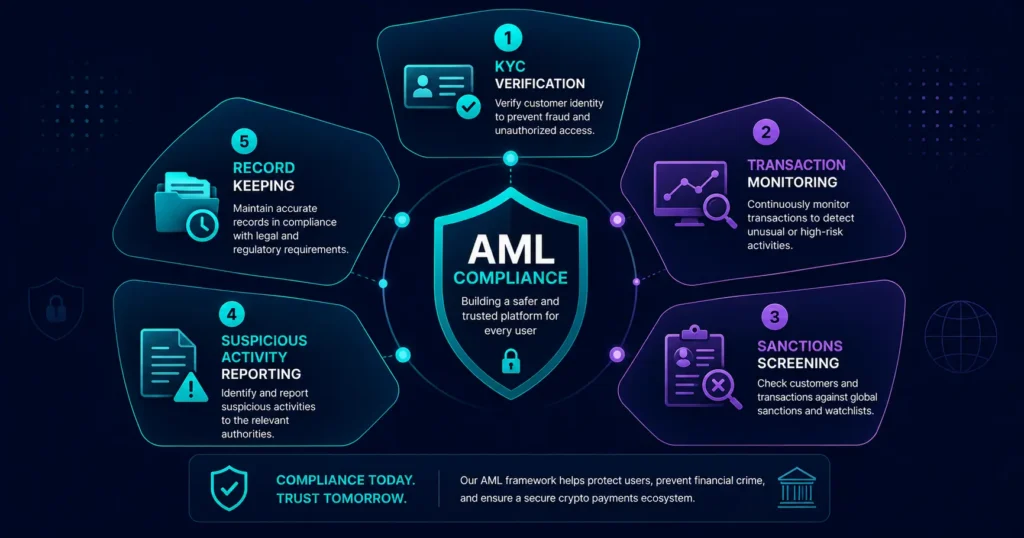
Quick answer: AML (Anti-Money Laundering) compliance on crypto prepaid cards means the card platform operates under legally mandated frameworks designed to detect, prevent, and report financial crime. For users, AML compliance translates into three visible things: KYC verification requirements tied to spending tiers, transaction monitoring that flags unusual patterns, and spending limits calibrated to risk […]
Is Rivocard Safe to Use?
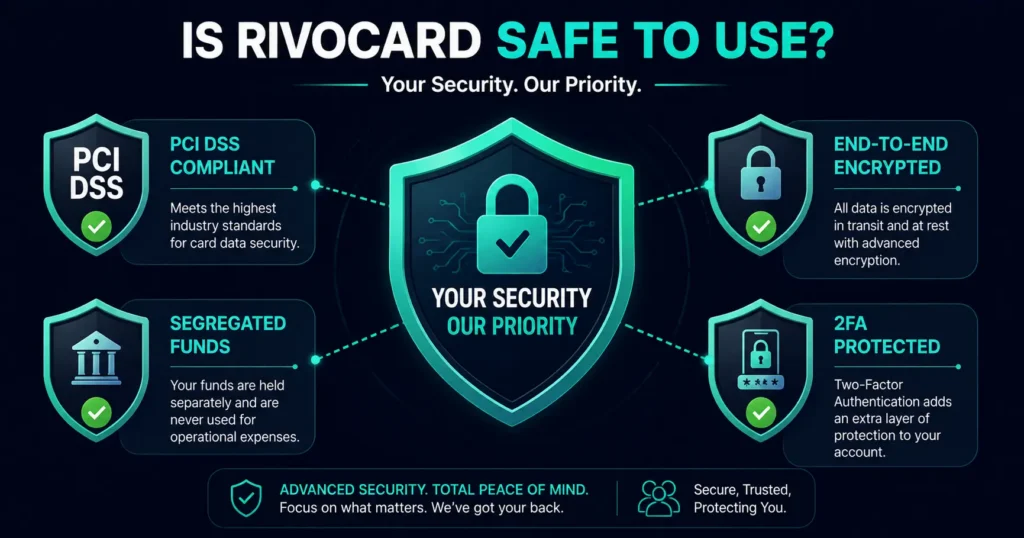
Quick answer: Yes — Rivocard is safe to use. The platform operates under PCI DSS-compliant payment security standards, encrypts all data in transit and at rest, holds user funds in segregated top-tier banking accounts separate from company funds, and supports two-factor authentication via hardware keys, FaceID, and TouchID. Transactions run on the Visa network, which […]